

Type of Sole in Leather shoes
 While purchasing leather shoes, most individuals look at the color, style, upper design, and exterior features. However, they often overlook the sole; the sole plays a vital role when it comes to durability, performance, and comfort. The type of sole used impacts how long they will last, how they will feel on your feet, and whether they provide flexibility or not. Considering the sole type is important whether you want to attend formal events, walk through city streets, or relax on a weekend getaway. The sole types range from traditional leather soles to modern TPR soles. Each comes with unique strengths. Let’s first understand various types of soles and then learn how to choose the most suitable one.
Various Types of Soles in Leather Shoes

Leather soles are designed with various sole types to provide unique benefits in terms of durability, grip, style, and comfort. The following section is an in-depth guide on the common sole types found in leather shoes.
1) Leather Sole
The natural animal hide is used in leather shoes. Typically, vegetable-tanned or full-grain leather is found. They are firmly glued or stitched to the shoe’s upper part. They are regarded as the traditional and elegant option for formal footwear.
The breathable and thin structure allows enough air circulation. The sole presents a clean, flat profile with minimal tread. The structure is initially stiff; however, it molds or softens to your feet with time. The traction decreases as you walk on polished or wet surfaces. Generally, leather soles work well for shoes worn for indoor environments, formal occasions, and dress shoes (example: monk straps or oxford shoes). They are not suitable for rugged outdoor use or rainy conditions.
2) Rubber Sole
The vulcanized rubber is present in this sole. The high durability and flexible grip make this sole perfect for outdoor, semi-formal, and casual shoes. The structure is flexible and thick, and the shock absorption is excellent. Besides, the sole is slip-proof and water-resistant.
To ensure traction, it often has deep tread patterns. Although not completely lightweight, it improves wear resistance and stability. Typically, rubber soles are best for travel, daily wear, and outdoor use. You will find them in casual loafers, derbies, and boots.
3) PU (Polyurethane) Sole
The synthetic polymer is used in this sole. This material is well-known for its lightweight and cushioning properties. You will often find this sole in comfort-focused leather shoes. The structure is highly shock-absorbent and soft. Being very lightweight, it reduces foot fatigue. It may degrade or compress in heavy-use or high-heat conditions. Moreover, the sole is ideal for hours of wearing in indoor shoes or on smooth terrain.
4) TPR (Thermoplastic Rubber) Sole
The sole combines plastic polymers and rubber to balance structure and flexibility. They are perfectly molded and usually used in budget-friendly or stylish leather shoes. The structure is resistant to abrasion and cracking. It offers grip and cushioning.
The durability is less than pure rubber under intense use. You will commonly find TPR soles in moccasins, loafers, and hybrid designs. In short, they are best for semi-formal and casual shoes, wherein affordability and style are essential.
5) EVA (Ethylene Vinyl Acetate) Sole
It is foam-based and typically seen in hybrid leather shoes and sneakers. They are intended for flexibility and comfort. It feels ultra-lightweight and soft under your feet. Note that the EVA sole is not appropriate for rugged environments. It compresses with frequent usage. The shoes wherein you will find an EVA sole are lightweight travel shoes, casual leather sneakers, and indoor shoes.
6) Combination Sole (Leather + Rubber)
Rubber inserts and a leather base (usually at the forefoot or heel) are found in combination soles. They improve durability and grip without any compromise on elegance. The structure holds the breathability for a long time.
The rubber sections add enough traction and provide wear resistance. Professionals who need safety and style can go for shoes with this sole. It is often stitched to provide added strength. You would find a combination sole in formal shoes worn in offices or for outdoor walking.
How to Select Leather Shoes Based on the Sole

Keep in mind your lifestyle, comfort needs, and sole type before choosing. Here are key considerations.
1) Know your purpose
Ask yourself where you would wear these shoes most frequently. For example, if the answer is formal use, then look for leather shoes with either leather soles or combination soles (i.e., leather with rubber inserts). These soles present a sleek, dressy look. PU or TPR soles provide enough grip and cushioning for daily wear, outdoor use, and travel.
2) Review the product descriptions
Always go through the product specifications. Remember to buy from trusted brands that specify the material, sole type, and intended use. Look for common terms like “leather stitched sole”, “TPR outsole”, or “PU cushioning”.
3) Consider fit and comfort
If you need to stand or walk for long hours, then look for shoes with soles that offer flexibility and shock absorption. EVA and PU soles provide great comfort. TPR and rubber soles balance durability and support. Leather soles might feel stiff initially. They are more suitable for short-term wear.
4) Consider the occasion
Leather sole works well for formal occasions as they provide breathability and an elegant look. For daily or outdoor wear, look for shoes with a rubber sole. It provides great durability, slip-proof protection, and water resistance.
TPR sole is great for semi-formal and casual shoes. It has a moderate grip, is flexible, and lightweight. PU sole is shock-absorbent and soft; it is suitable for long hours. EVA sole is cushioned and ultra-light, so it is best for indoor use or casual sneakers. The combination sole has a rubber grip that offers a stylish look and safety, so it is ideal for formal shoes.
5) Consider the terrain and weather
If you intend to walk on rough surfaces or in rainy conditions, then avoid smooth leather soles. Choose TPR or rubber soles with tread patterns as they provide traction. If you reside in a warm climate, PU soles may wear out faster. Combination or rubber soles are more heat-resistant.
Final Words
The choice of the right sole is not just a style decision, but it also relates to durability, comfort, and performance. The discussed options can simplify your choice whether you prefer the grip of rubber soles, or lightweight cushioning of PU soles, or the elegance of leather soles. A proper understanding can prove your purchase to be worthwhile and cost-effective. Remember that an appropriate sole type choice can best complement your outfit and help you walk confidently.
FAQs
1. What sole type works the best for formal leather shoes?
Leather soles or a combination sole (i.e., leather with rubber inserts) work well for formal occasions. They provide an elegant, sleek appearance. You will find such soles commonly used in monk straps, oxfords, and other dress shoes. Remember that leather shoes ensure breathability and a polished finish, whereas the combination soles provide flexible grip.
2. How can I know what sole type exists in a shoe?
To know the sole type, go through the specifications or product descriptions. Usually, reliable brands specify the sole type, so you can check for terms like ‘PU sole’, ‘TPR sole’, or ‘leather stitched sole.’ Also, you can consult their customer support to get a better clarification.
3. Are PU soles compatible with leather shoes?
Yes, PU soles work well for leather shoes designed to elevate comfort. They are lightweight, have enough cushions, and are ideal for hours of use. But note that they may wear quickly when exposed to rugged or hot environments.
4. Which sole type offers the highest durability for everyday wear?
For everyday wear, choose shoes with rubber soles because they ensure the highest durability. They possess characteristics like water resistance, superb traction, and shock absorption. Therefore, they are suitable for commuting, walking, and traveling.
5. How do EVA and TPR soles differ?
TPR soles combine the rubbery grip with a plastic-like structure. They are durable and flexible. Conversely, EVA soles are ultra-light, foam-based, and provide maximum cushioning. However, they are less durable if used rigorously. TPR soles suit casual and semi-formal wear, whereas EVA soles are best for indoor or casual wear.
Leather Bags for Men

Walker Leather Office Travel Bag
Original price
Rs. 4,998.33
-
Original price
Rs. 5,333.33
Original price
Rs. 4,998.33
-
Original price
Rs. 5,333.33
Original price
Rs. 4,998.33
Rs. 3,200.00
-
Rs. 3,400.00
Rs. 3,200.00
-
Rs. 3,400.00
Current price
Rs. 3,200.00
The super-stylish Walker leather unisex duffle bag is undoubtedly a trendsetter all year. This opulent, oblong weekender bag is made...
View full details
Original price
Rs. 4,998.33
-
Original price
Rs. 5,333.33
Original price
Rs. 4,998.33
-
Original price
Rs. 5,333.33
Original price
Rs. 4,998.33
Rs. 3,200.00
-
Rs. 3,400.00
Rs. 3,200.00
-
Rs. 3,400.00
Current price
Rs. 3,200.00
Sale
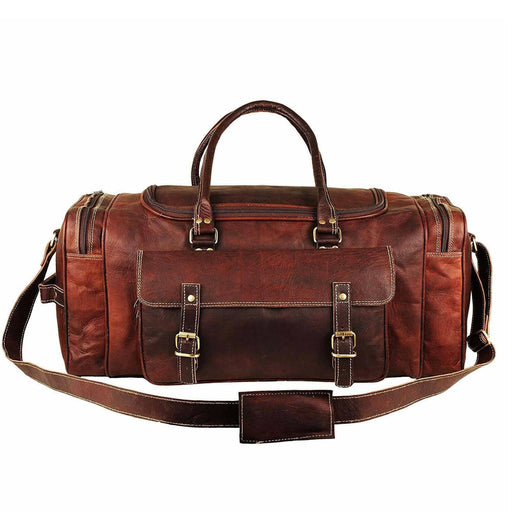
Traveler Weekender Duffle Bag
Original price
Rs. 7,000.00
-
Original price
Rs. 8,331.67
Original price
Rs. 7,000.00
-
Original price
Rs. 8,331.67
Original price
Rs. 7,000.00
Rs. 4,500.00
-
Rs. 5,000.00
Rs. 4,500.00
-
Rs. 5,000.00
Current price
Rs. 4,500.00
This is the perfect solution for all your needs. This leather duffle bag has four big pockets on the exterior with two buckles. This...
View full details
Original price
Rs. 7,000.00
-
Original price
Rs. 8,331.67
Original price
Rs. 7,000.00
-
Original price
Rs. 8,331.67
Original price
Rs. 7,000.00
Rs. 4,500.00
-
Rs. 5,000.00
Rs. 4,500.00
-
Rs. 5,000.00
Current price
Rs. 4,500.00
Sale
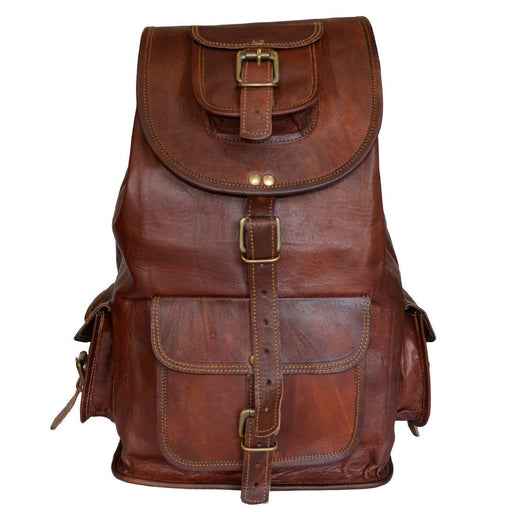
Spencer Hiking Backpack
Original price
Rs. 5,831.67
-
Original price
Rs. 7,498.33
Original price
Rs. 5,831.67
-
Original price
Rs. 7,498.33
Original price
Rs. 5,831.67
Rs. 3,499.00
-
Rs. 4,499.00
Rs. 3,499.00
-
Rs. 4,499.00
Current price
Rs. 3,499.00
The Spencer Leather Backpack is the perfect bag for all your adventures because it is designed to hold everything you need for a trip. Wit...
View full details
Original price
Rs. 5,831.67
-
Original price
Rs. 7,498.33
Original price
Rs. 5,831.67
-
Original price
Rs. 7,498.33
Original price
Rs. 5,831.67
Rs. 3,499.00
-
Rs. 4,499.00
Rs. 3,499.00
-
Rs. 4,499.00
Current price
Rs. 3,499.00
Sold out

Windsor Crossbody Bag
Original price
Rs. 3,833.33
-
Original price
Rs. 4,166.67
Original price
Rs. 3,833.33
-
Original price
Rs. 4,166.67
Original price
Rs. 3,833.33
Rs. 2,300.00
-
Rs. 2,500.00
Rs. 2,300.00
-
Rs. 2,500.00
Current price
Rs. 2,300.00
This unique brown leather crossbody bag for men and women will make every outfit of yours stand out effortlessly. This sling bag is handcrafted by ...
View full details
Original price
Rs. 3,833.33
-
Original price
Rs. 4,166.67
Original price
Rs. 3,833.33
-
Original price
Rs. 4,166.67
Original price
Rs. 3,833.33
Rs. 2,300.00
-
Rs. 2,500.00
Rs. 2,300.00
-
Rs. 2,500.00
Current price
Rs. 2,300.00
Sale

Cambridge Leather Satchel Bag
Original price
Rs. 5,000.00
-
Original price
Rs. 5,833.33
Original price
Rs. 5,000.00
-
Original price
Rs. 5,833.33
Original price
Rs. 5,000.00
Rs. 3,000.00
-
Rs. 3,500.00
Rs. 3,000.00
-
Rs. 3,500.00
Current price
Rs. 3,000.00
This handcrafted Cambridge Leather Satchel Bag is an exclusive product of MaheTri's Satchels collection for men and women. At MaheTri's leather ...
View full details
Original price
Rs. 5,000.00
-
Original price
Rs. 5,833.33
Original price
Rs. 5,000.00
-
Original price
Rs. 5,833.33
Original price
Rs. 5,000.00
Rs. 3,000.00
-
Rs. 3,500.00
Rs. 3,000.00
-
Rs. 3,500.00
Current price
Rs. 3,000.00
Sale